
Every year I get some version of the same message: "I want to work in Taiwan, where do I even start?" So here's the honest, complete answer, the one I wish someone had handed me before I figured most of this out the hard way, through five-plus years of actually living and working here, inside Taiwanese companies, in Mandarin.
Step one: figure out your legal pathway before you touch a job board
This is where most people start in the wrong order. They polish a CV and start applying before checking whether they're even eligible to work here, and that's backwards.
If you don't already have residency through marriage or family, the standard route requires a company to sponsor your work permit, and that generally means a bachelor's degree plus two years of relevant experience, or a master's degree on its own. That single requirement quietly filters out a lot of people who assumed the market was more open than it is.
Two programs are worth knowing well because they skip a lot of that friction. The Employment Gold Card bundles your visa, work permit, and residency into one approval, without needing an employer to sponsor you first, which flips the entire job search on its head: you can search freely, take your time, and negotiate from a position of strength instead of dependency. If you're building your own thing rather than hunting for an employer, look into the Entrepreneur Visa, especially given how well Taiwan now ranks for founders. And if you're not ready to commit to either yet, the Digital Nomad Visa buys you real time on the ground to figure it out in person, which honestly beats trying to plan everything from abroad.
If you're already studying at a Taiwanese university, your path looks completely different, and in a lot of ways easier. I mapped out the whole transition from student visa to your first employee ARC in From Cap & Gown to Career.

Step two: know where jobs actually live
Once you know your pathway, here's my honest ranking of where to look:
- CakeResume is the most foreigner-friendly platform out there, bilingual, well-designed, and increasingly the default for startups and international-facing companies. Build your profile here first.
- LinkedIn works well for tech, multinational, and Gold Card-adjacent roles, but you'll get more traction by messaging people directly than by applying cold.
- 104 (104人力銀行) is the biggest platform in Taiwan by volume, but it's built for a domestic Chinese-speaking audience. If you can navigate it, even with a translation tool, you'll see roles that never make it onto the English-language platforms at all.
- Facebook groups matter more than you'd think. Groups built around foreign professionals in Taipei, or around the Gold Card community specifically, are where people share leads that never get formally posted.
- Referrals and warm intros beat all of the above combined. A huge share of the jobs foreigners actually want get filled through someone who already knows someone. Which brings me to the next point.
Organizations
Directory
Check out my list of relevant business, networking and recruiting organizations in Taiwan

Step three: take networking seriously, not as a fallback
In Taiwan, relationships tend to open doors before resumes do. I wrote a full breakdown of where to actually start networking here, but the short version: show up in person, follow up after every conversation, and treat every event as a long game rather than a transaction. If you're already in Taipei, check the upcoming events I keep updated, and browse the Taiwan organizations directory for chambers of commerce and professional groups worth joining. Chambers in particular are underrated: they exist specifically to connect people, and membership often costs less than a single month's rent.
Step four: get real about salary before you fall in love with an offer
Taiwan is a genuinely wealthy, high-functioning place to live, but outside semiconductors and a handful of specialized tech roles, salaries are modest by European or American standards. I go into this properly in Taiwan Is Wealthy on Paper, because it changes how you should read a number on an offer letter. A figure that looks low next to Brussels or London can still add up to a very good life here, once you factor in lower rent, cheap and excellent food, and healthcare that costs almost nothing. But you need that context going in, not after you've already turned down a different offer somewhere else.
Step five: decide how much Mandarin you actually need
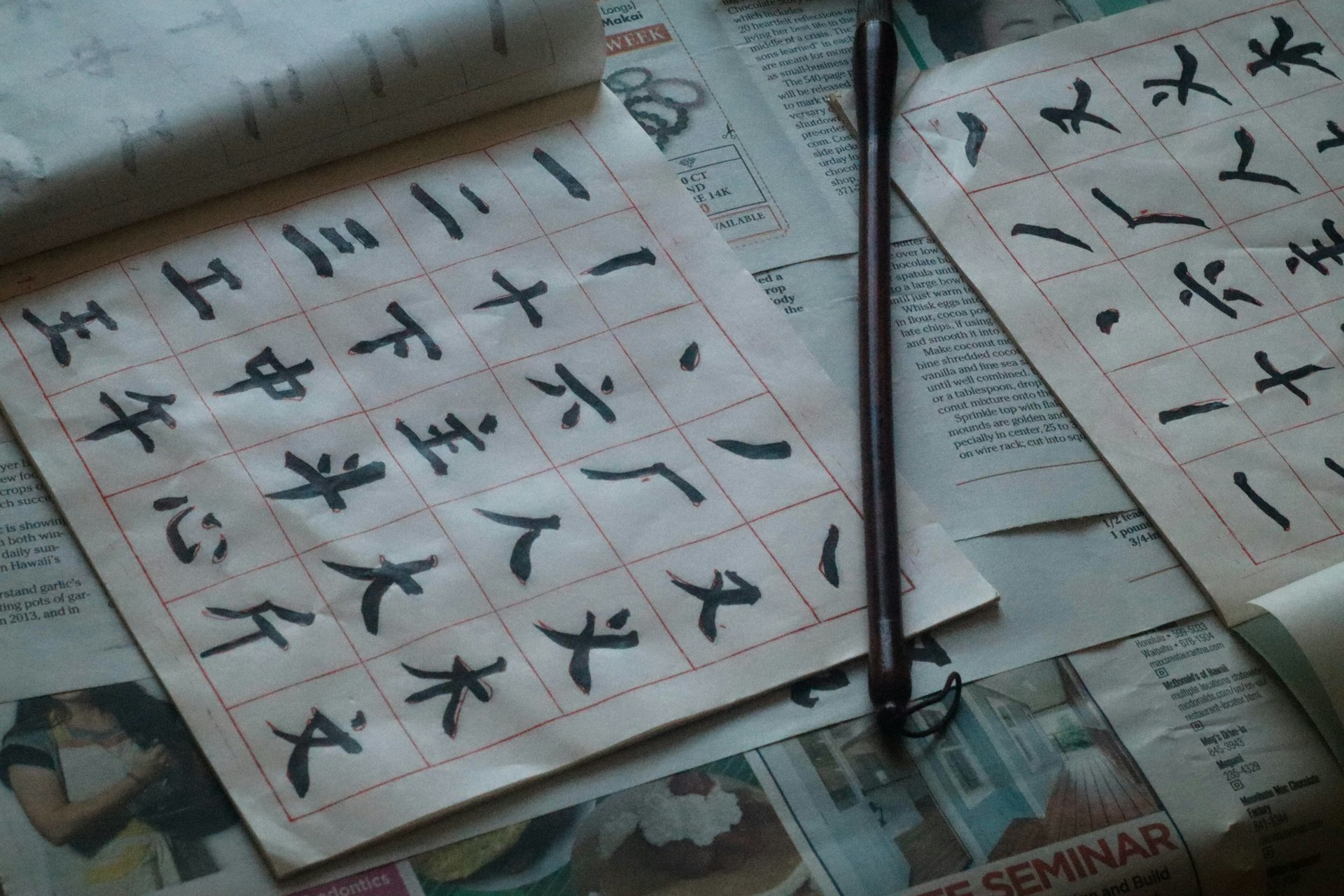
This is the variable that changes everything about your job search, and I mean everything. Without Mandarin, your options are mostly teaching, a slice of international companies, and some tech roles where English is the working language. With even conversational Mandarin, doors open across local companies, client-facing roles, and management tracks that are otherwise closed to you. I wrote about when investing in studying Chinese here is actually worth it, because it's not automatic for everyone, but if you're serious about a long career in Taiwan rather than a two-year stint, it's the single highest-leverage investment you can make.
Step six: understand the hiring rhythm so you don't misread silence
Hiring here can move slower than what you're used to, sometimes for reasons that have nothing to do with you: internal approvals, multiple interview rounds, a decision-maker who needs to loop in someone more senior before saying yes. Then, once a company actually decides, it can move fast. Don't read a quiet week as a rejection. Interviews also tend to be more formal and hierarchical than in a lot of Western startups. Dress a notch more conservatively than you think you need to, and expect the interviewer's seniority in the room to shape how direct or indirect the conversation feels.
Step seven: read your contract for the details that actually matter
When an offer lands, don't just look at the base salary. Check the probation period (usually three months, sometimes longer), whether a 13th-month bonus is guaranteed or discretionary (this matters a lot for your actual annual income), and how overtime is described versus how it's likely to work in practice. None of this is exotic, but it's exactly the kind of detail that catches people off guard when they've only ever worked under a different country's labor norms.
Stay up to date with Taiwan
Subscribe to my newsletter! One email monthly, no spam 😊

One perk worth factoring in: the healthcare
Once you're employed and enrolled in National Health Insurance, you're covered by one of the best healthcare systems in the world. It's easy to overlook this when you're comparing salary numbers, but it's a real part of total compensation, and it removes a kind of financial anxiety that a lot of people don't realize they're carrying until it's gone.
Before any of this: ask whether Taiwan is actually the right move
I say this as someone who loves this place: not everyone should move here, and that has nothing to do with the job market. Some people build a fantastic life and career in Taiwan. Others find, a year or two in, that it's not the fit they expected, for reasons that only show up once you're actually living it day to day. I wrote about that honestly in who Taiwan is not for, and it's worth reading before you send out fifty applications, not after.
If you want to go through your specific situation, visa options, and realistic timeline with someone who's actually done it, book a Reality Check call and we'll map it out properly. You can find more about how I approach Taiwan, and why, on the About Me page.
Moving to Taiwan?
Most Taiwan content is either a love letter or a horror story. I help foreigners figure out if Taiwan is actually right for them — before they upend their lives, quit their jobs, or spend money they can't get back.


"Most people who move to Taiwan stay for a semester. I stayed for six years — and I'm still not done."